
Warmer floors in winter
Insulation under the floor traps heat inside the home, so timber floors stay warmer and more comfortable to walk on during Melbourne’s cold winters.
Brooklyn
Underfloor insulation in Brooklyn stops cold floors and draughts coming up through suspended timber floors. We install bulk batts between floor joists from the subfloor to improve thermal resistance and comfort.
Share your details and Expert Insulation Melbourne will contact you about Underfloor Insulation in Brooklyn.
Underfloor insulation is installed beneath suspended timber floors to block cold air and draughts rising through the floorboards. In Brooklyn homes with stumps and bearers, we access the subfloor to fit glasswool, polyester or rockwool batts between the floor joists. This reduces winter heat loss, keeps floors warmer and cuts heating costs.
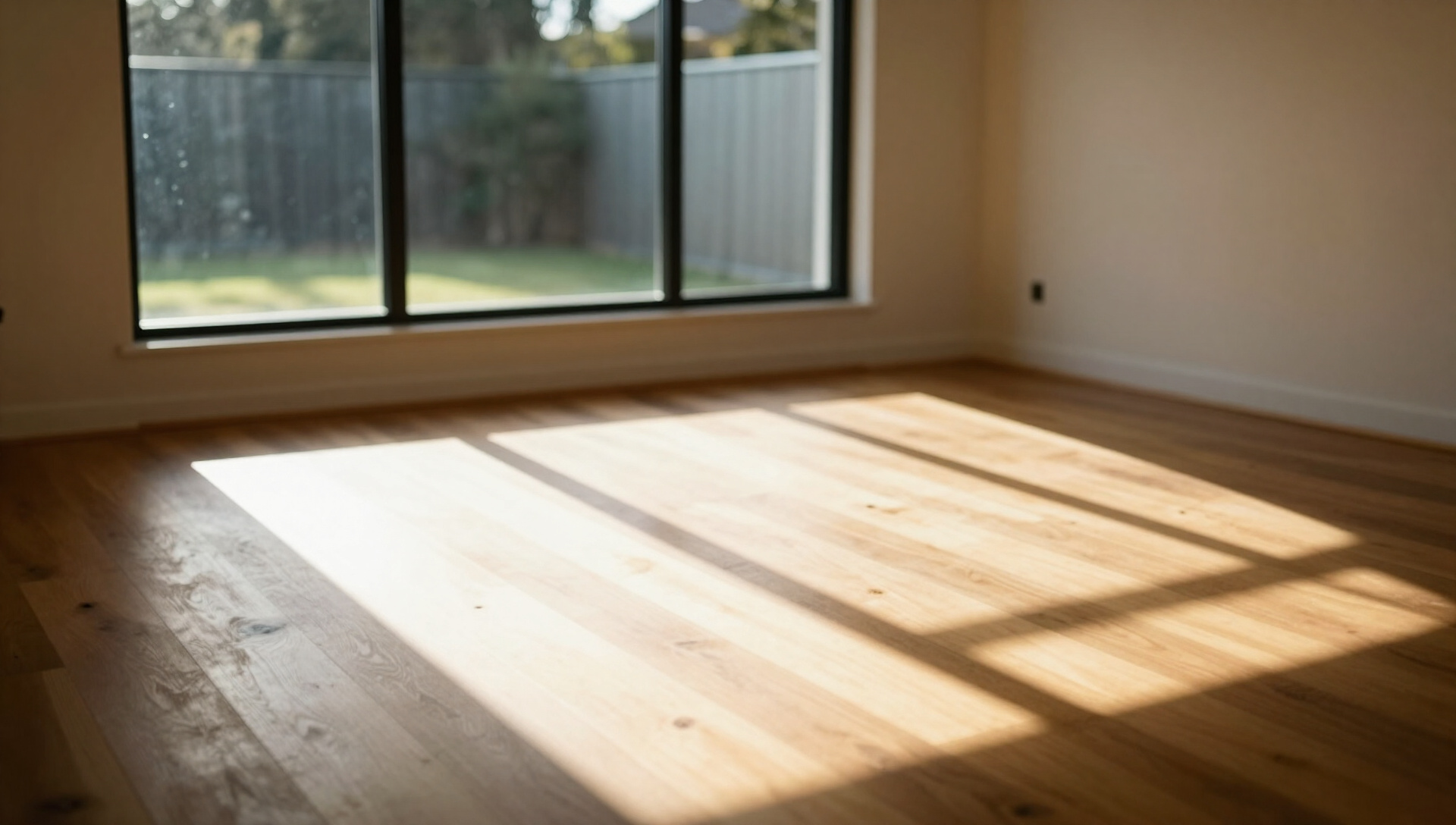
Brooklyn’s older weatherboard and brick veneer homes often have uninsulated suspended floors, leading to cold feet and higher heating bills. Underfloor insulation addresses these issues directly.
Insulation under the floor traps heat inside the home, so timber floors stay warmer and more comfortable to walk on during Melbourne’s cold winters.
Gaps between floorboards and around skirting let cold air in. Underfloor batts block these draughts, making rooms feel less chilly and more consistent.
By stopping heat loss through the floor, your heater doesn’t have to work as hard. This can lead to noticeable savings on energy bills over winter.
Combined with ceiling insulation, underfloor insulation creates a more complete thermal envelope, reducing heat loss from all directions.
Properly installed underfloor insulation helps manage moisture in the subfloor, reducing the risk of condensation that can lead to mould or timber damage.
We work from the subfloor, so there’s no need to remove floorboards or disrupt the living space. Access through the crawl space is all that’s required.
Installing underfloor insulation requires access to the subfloor and careful placement to avoid gaps or compression. Here’s how we do it in Brooklyn homes.
We start by inspecting the subfloor to confirm there’s enough crawl space for safe access. We also check for existing insulation, moisture issues or pest damage that needs addressing first.
Batts are measured and cut to fit snugly between the floor joists without gaps or compression. We use the correct width for the joist spacing to ensure full coverage.
The batts are fitted between the joists and held in place with friction or supports. We ensure they are not compressed, as this reduces their R-value and effectiveness.
We check for any remaining gaps around pipes or cables and seal them where possible. The subfloor is left clean, and access points are secured.
Brooklyn has a mix of older weatherboard and brick veneer homes, many with suspended timber floors that lack insulation. These homes often suffer from cold floors and draughts, especially in winter. Underfloor insulation is a practical solution to improve comfort and energy efficiency without major renovations. Nearby areas like Yarraville and Spotswood have similar housing stock, making underfloor insulation a common need across the inner west.
Stop cold floors and draughts in Brooklyn with underfloor insulation installed from the subfloor.
Homeowners in Brooklyn often have questions about underfloor insulation, from cost factors to installation practicalities. Here are the most common queries we answer.
Underfloor insulation in Brooklyn is a cost-effective way to address cold floors and draughts in homes with suspended timber floors. Many older properties in the area were built without any insulation beneath the floor, leading to significant heat loss and discomfort during winter. By installing bulk insulation batts between the floor joists, we create a thermal barrier that keeps the home warmer and reduces energy costs.
The process begins with a subfloor inspection to ensure there is adequate crawl space for access. We then measure and cut batts to fit precisely between the joists, ensuring no gaps or compression that could reduce performance. Glasswool, polyester and rockwool are all suitable materials, with typical R-values for underfloor applications ranging from R1.5 to R2.5. The choice depends on the specific needs of the home and the desired level of thermal resistance.
Brooklyn’s climate, with cold winters and hot summers, makes underfloor insulation particularly valuable. In winter, it prevents cold air from entering through the floorboards, while in summer, it helps maintain a more stable indoor temperature. Combined with ceiling insulation, it provides a more complete thermal solution for the home. For homes in Brooklyn, this means improved comfort, lower energy bills and a more sustainable living environment.
If your Brooklyn home has cold floors or draughts coming up through the floorboards, underfloor insulation can make a real difference. We provide a free assessment to check access and recommend the best solution for your property.